Article brief
A clear route through beaches, temples, hotels and transfer timing, designed so the trip feels polished from day one.
Route flow, hotel placement and transfer timing are the three decisions that shape the whole trip.
Major section
Step 1: Choose Your Thailand Focus
Thailand offers incredible diversity - from...
Thailand offers incredible diversity - from bustling Bangkok to serene islands. For a first trip, focus on 2-3 regions to avoid feeling rushed. Most travelers combine Bangkok's urban energy with either northern culture (Chiang Mai) or southern beaches (Phuket/Koh Samui).
Consider your interests: temples and history point north, while relaxation and water activities suggest the islands. Family travelers often prefer beach-focused itineraries, while couples might enjoy the cultural depth of Chiang Mai.
Field notes
- Bangkok: Urban temples, street food, shopping - perfect for 3-4 days
- Northern Thailand: Chiang Mai's temples, hill tribes, cooler weather
- Southern Islands: Phuket or Koh Samui for beaches, diving, and recovery
- Avoid trying to see everything - quality over quantity
Details in this chapter
Read these smaller notes after the main route decision.
Bangkok as your starting point
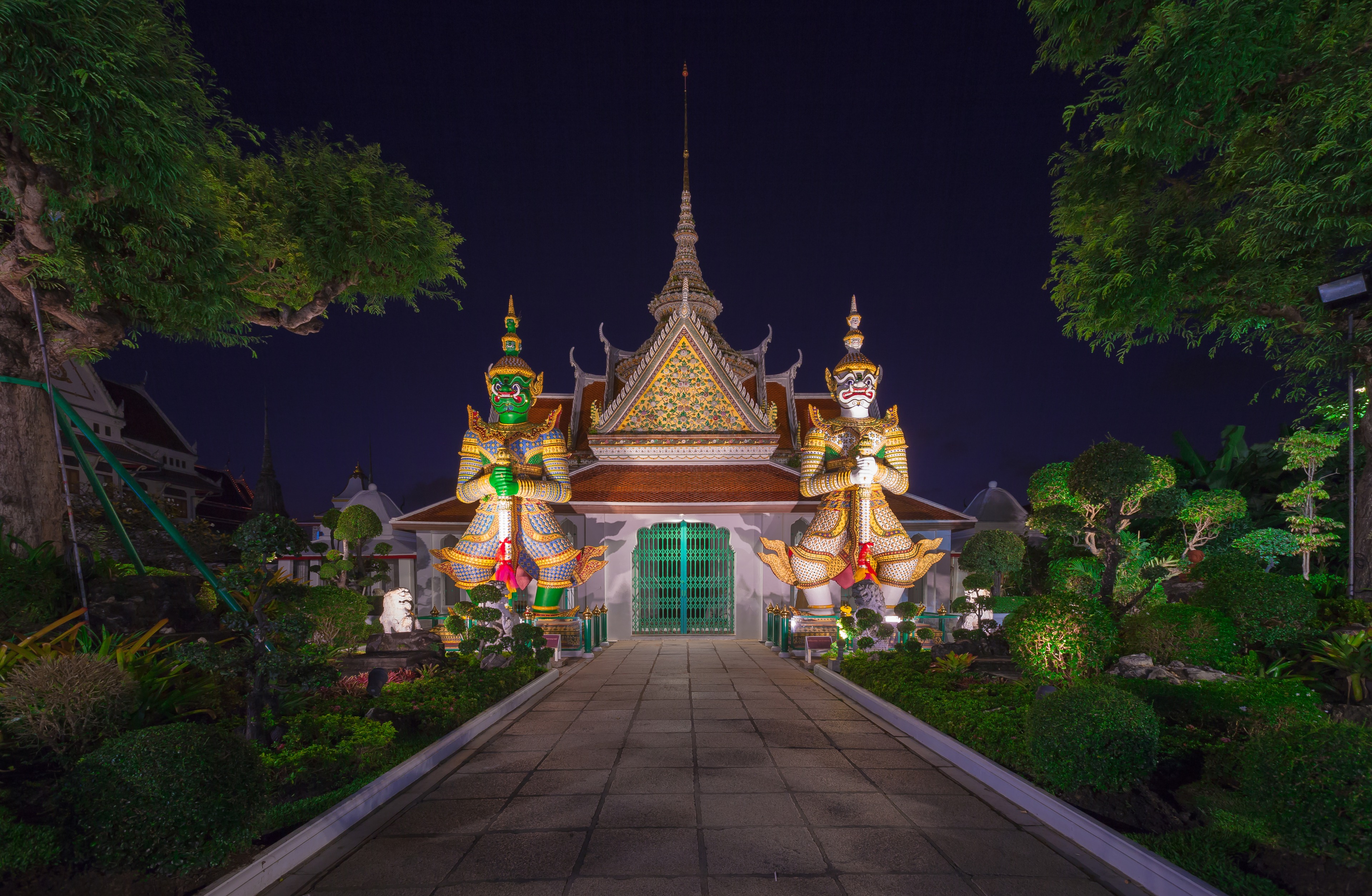
Most international flights arrive in Bangkok. Use it as a gateway city rather than a full destination. Focus on key temples like Wat Arun and Wat Phra Kaew, plus one authentic street food experience.
Northern vs Southern decision
If you want culture and cooler weather, choose Chiang Mai. For beaches and relaxation, head south. Both offer incredible experiences but require different pacing.
Major section
Step 2: Plan the Best Time to Visit
Thailand's weather varies dramatically by r...
Thailand's weather varies dramatically by region and season. The "best" time depends on your chosen destinations. November to February offers optimal conditions across most of Thailand, with clear skies and comfortable temperatures.
Avoid the hot season (March-May) in the north and rainy season (May-October) in the south. Peak tourist season means higher prices and crowds, but also more flight options.
Field notes
- November-February: Ideal for north and south, cooler temperatures
- March-April: Hot and humid in north, still good for beaches
- May-October: Rainy in south, but fewer crowds and lower prices
- Check regional weather - Chiang Mai and islands have different patterns
Details in this chapter
Read these smaller notes after the main route decision.
Seasonal considerations
Northern Thailand is most comfortable November-March. Southern beaches are best December-April. Plan around these windows for the best experience.
Crowd and price impact
High season (Dec-Feb) brings more tourists but also more services. Shoulder seasons offer better deals and fewer people at popular sites.
Major section
Step 3: Design Your Itinerary
A successful Thailand itinerary balances ac...
A successful Thailand itinerary balances activity with recovery. Plan for 10-14 days to do justice to your chosen regions. Include buffer time for unexpected delays and spontaneous discoveries.
Structure your days with morning activities, afternoon relaxation, and evening cultural experiences. Leave one flexible day for weather changes or extended stays in favorite spots.
Field notes
- 10-14 days: Bangkok (3-4), North/South (4-5), Beach (4-5)
- Include domestic flights between regions
- Build in rest days and flexible timing
- Consider travel fatigue between regions
Details in this chapter
Read these smaller notes after the main route decision.
Sample 12-day itinerary
Days 1-4: Bangkok arrival and exploration. Days 5-8: Chiang Mai temples and culture. Days 9-12: Phuket beach recovery. Adjust based on your focus.
Pacing for different travelers
Families need more beach time and fewer temples. Couples might prefer romantic dinners and spa days. Solo travelers can handle more intensive cultural schedules.
Major section
Step 4: Select Accommodations
Thailand offers everything from budget gues...
Thailand offers everything from budget guesthouses to luxury resorts. For a first trip, prioritize location and comfort over price. Boutique hotels in central locations often provide the best value.
Book directly with hotels or through reputable platforms. Consider airport transfers and any special requests (pool access, spa facilities) when choosing.
Field notes
- Bangkok: Riverside or central business district locations
- Chiang Mai: Old city center for walking access
- Phuket: Beachfront or hilltop villas with views
- Look for hotels with pools, especially in hot weather
Details in this chapter
Read these smaller notes after the main route decision.
Hotel location matters
A great hotel in the wrong location means wasted time in traffic. Research walking distances to key attractions and transportation options.
Booking considerations
Book popular hotels 2-3 months ahead during peak season. Check for free cancellation policies and read recent reviews for current service quality.
Major section
Step 5: Arrange Transportation
Getting around Thailand is straightforward...
Getting around Thailand is straightforward but requires planning. International flights arrive in Bangkok, then domestic flights connect regions. Private transfers offer comfort and convenience.
Book domestic flights early, especially during peak season. Consider the timing of flights to maximize daylight hours at your destinations.
Field notes
- International: Fly into Bangkok (BKK)
- Domestic: Bangkok Airways or Thai Airways between regions
- Private transfers: Airport pickups and inter-city travel
- Tuk-tuks and Grab for local city transport
Details in this chapter
Read these smaller notes after the main route decision.
Flight timing strategy
Schedule domestic flights for morning departures to arrive with full days ahead. Avoid late afternoon flights that waste precious time.
Ground transportation
Private drivers offer comfort and English-speaking service. For budget travel, Grab (Thailand's Uber) works well in cities.
Major section
Step 6: Prepare for Culture and Practicalities
Thailand's culture emphasizes respect and m...
Thailand's culture emphasizes respect and mindfulness. Learn basic greetings, dress modestly for temples, and remove shoes when entering homes. The people are incredibly welcoming.
Practical preparations include visa requirements, health considerations, and local customs. Most visitors need a visa exemption or e-visa for stays up to 30 days.
Field notes
- Respect: Dress modestly, remove shoes, use right hand for giving/receiving
- Language: "Sawadee" for hello, "Khop khun" for thank you
- Temples: Cover shoulders and knees, women should wear skirts
- Tipping: 20-50 THB for small services, more for guides
Details in this chapter
Read these smaller notes after the main route decision.
Health and safety
Stay hydrated, use sunscreen, and consider travel insurance. Mosquito repellent is essential. Medical facilities are good in tourist areas.
Money and payments
ATMs are widespread. Credit cards accepted at most hotels and restaurants. Carry some cash (THB) for markets and small purchases.
Major section
Step 7: Pack Smart and Final Tips
Pack light but prepare for Thailand's tropi...
Pack light but prepare for Thailand's tropical climate. Layering is key for air-conditioned temples and hot streets. Comfortable walking shoes are essential for exploring.
Include swimwear for beaches, light cover-ups for temples, and versatile clothing that can transition from day to evening.
Field notes
- Clothing: Light, breathable fabrics, modest temple wear
- Essentials: Sunscreen, hat, comfortable walking shoes
- Electronics: Adapters for Type C/F plugs, portable charger
- Documents: Passport copies, travel insurance, visa if needed
Details in this chapter
Read these smaller notes after the main route decision.
Weather-appropriate packing
Pack for heat and humidity. Quick-dry fabrics, moisture-wicking clothing, and light layers work best. Include rain gear if traveling in wet season.
Last-minute checklist
Confirm all bookings, check weather forecasts, download offline maps, and ensure you have emergency contact numbers for your destinations.