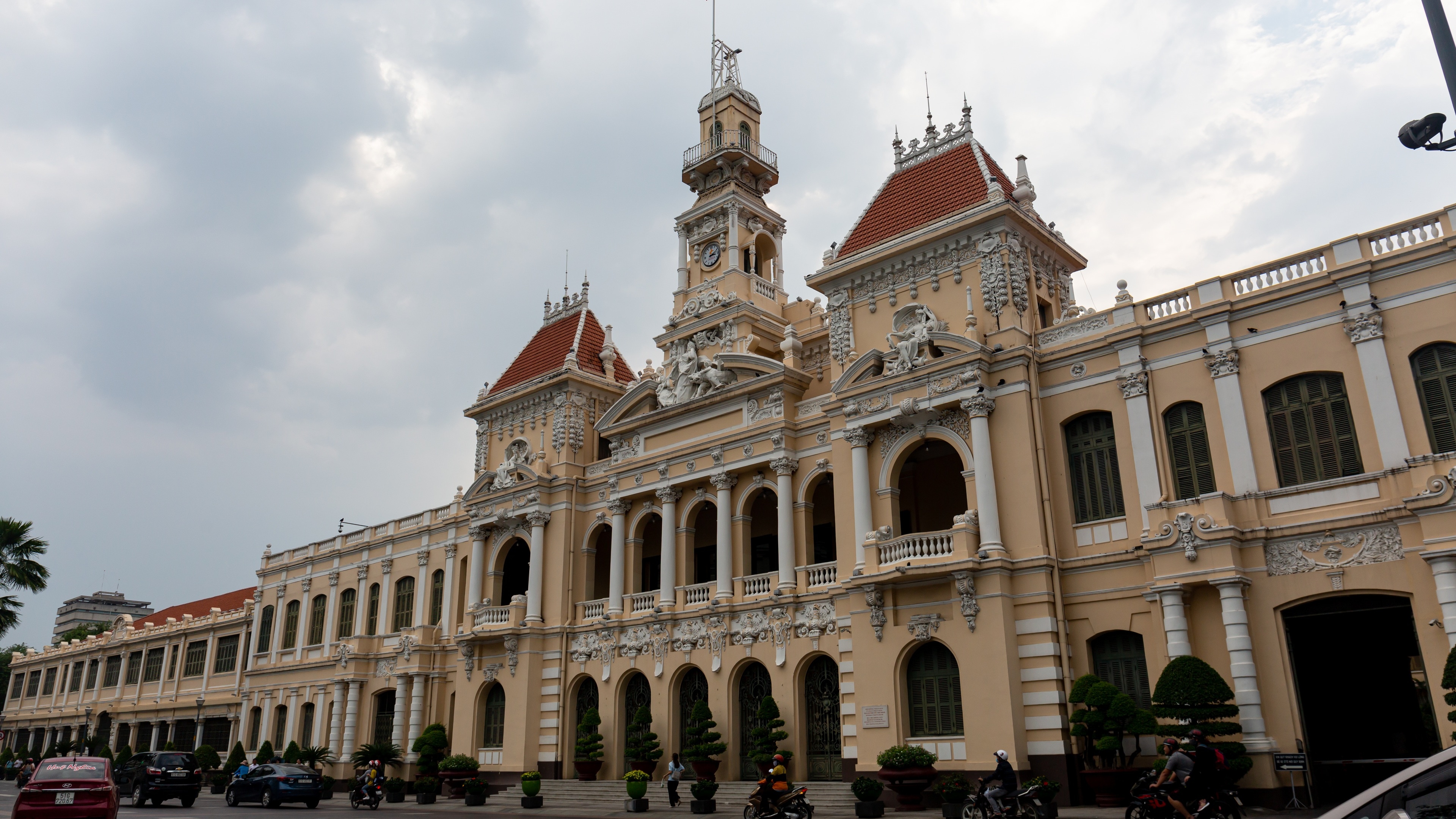
Article brief
Calm cities, warm hospitality and smart routing make Vietnam a confident choice for first-time and returning travelers.
Route flow, hotel placement and transfer timing are the three decisions that shape the whole trip.
Major section
How to use this guide
Start with the brief.
Vietnam works beautifully for private travel when the route is planned with clean transfers, sensible timing and trusted local support. For families, couples and first-time Asia travelers, the safest-feeling journeys usually combine central hotels, guided neighborhood walks, private drivers and flexible days that avoid rushed late-night moves.
Read this as a planning brief for Vietnam, not as a fixed package. The goal is to turn the article into a route that feels personal, spacious and easy to operate on the ground.
Field notes
- Build the route by region instead of chasing one perfect national season
- Use central hotels and private drivers for calmer city days
- Leave a flexible pocket for weather, food and river timing
Details in this chapter
Read these smaller notes after the main route decision.
Start with the travel feeling
The first decision is the mood: heritage cities, cuisine, limestone scenery and private transfer ease. Once that is clear, it becomes easier to choose the right hotel zone, guide style, meal timing and daily intensity.
Decide what does not need to be included
A polished private journey is not the longest possible list. Skip ideas that repeat the same purpose, create awkward transfers or reduce time around the experience that matters most.
Major section
Route and pacing notes
Balance route and pacing.
A strong version of this trip can follow Hanoi, Ha Long Bay, Hue, Hoi An, Saigon and the Mekong shaped by regional weather. The order should make the day easier for the traveler, not just efficient on paper.
A polished private journey should feel calm before it feels full. Build the most important cultural moments into the best part of the day, then leave softer time for meals, hotel recovery and local wandering.
Planning table
Vietnam planning table
Route spine
Hanoi, Ha Long Bay, Hue, Hoi An, Saigon and the Mekong shaped by regional weather
Do not add extra stops until the transfer logic is clear.
Best timing
October to April for north and central comfort, with coastal checks for summer and shoulder months
Peak periods need earlier hotel holds and softer daily pacing.
Private guide
heritage cities, cuisine, limestone scenery and private transfer ease
Guide style should match your preferred balance of stories, food and quiet time.
Comfort check
Build the route by region instead of chasing one perfect national season
Check hotel zone, meal timing and driver plan together before booking.
Details in this chapter
Read these smaller notes after the main route decision.
Protect the first full day
The first full day sets the tone for the trip. Avoid a late start followed by heavy sightseeing. Use a clear anchor, a confident guide and an easy evening so the traveler feels settled.
Treat transfers as part of the design
If the route includes flights, cruises or long drives, those transitions need comfort, timing and recovery built in. A short scenic pause or calm lunch can make the transfer feel intentional.
Major section
Big decisions before small details
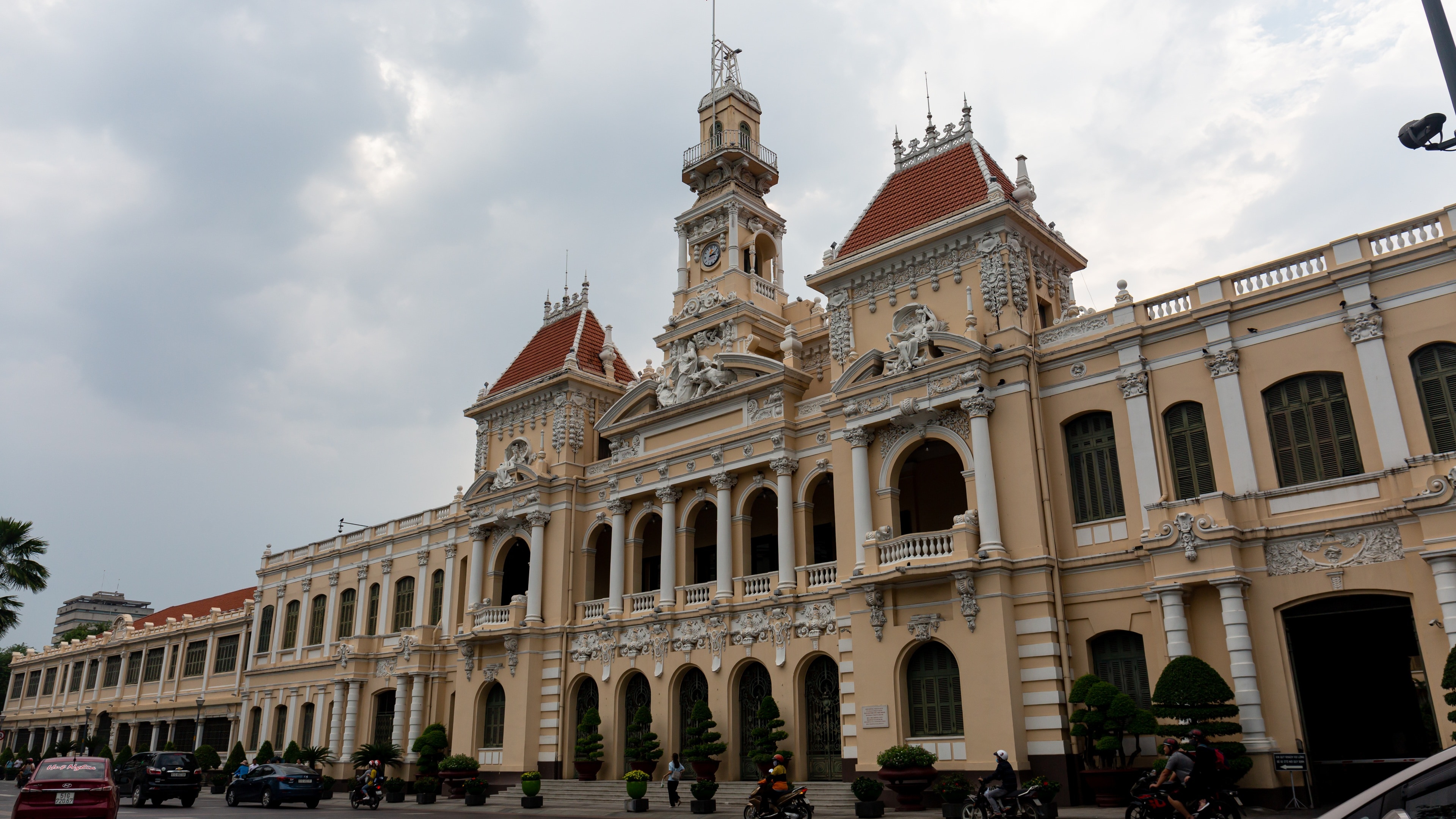
For Vietnam, the big decisions are season,...
For Vietnam, the big decisions are season, route order, hotel base and how much private guiding you want. Small details only become useful after those choices are stable.
This is where many trips become crowded. Travelers compare restaurants, side trips and photo stops before they know where they are sleeping or how long the transfer actually takes.
Field notes
- Build the route by region instead of chasing one perfect national season
- Use central hotels and private drivers for calmer city days
- Leave a flexible pocket for weather, food and river timing
Details in this chapter
Read these smaller notes after the main route decision.
Choose the base first
Hotel location shapes the whole day. A beautiful property can still be wrong if it adds repeated traffic, awkward dinner transfers or a difficult start time.
Then choose the daily anchor
Each day needs one clear anchor. Meals, walks, shopping, spa time and extra stops should support that anchor rather than compete with it.
Major section
Season, reservations and daily flow
Choose the calmest window.
October to April for north and central comfort, with coastal checks for summer and shoulder months. Even in the best season, the itinerary should include one flexible pocket for weather, local recommendations or traveler energy.
Reservations matter most when a meal, guide, boat, viewpoint or hotel experience is part of the emotional reason for the trip. Hold those pieces early, then build the lighter details around them.
Details in this chapter
Read these smaller notes after the main route decision.
Use the best hours carefully
The most atmospheric experience should sit in the best hour of the day. That may mean early morning markets, softer afternoon light, a sunset on the water or a dinner after proper recovery time.
Avoid three hard days in a row
Stacking early starts, long drives and heavy sightseeing creates fatigue even in beautiful places. Alternate intensity so the trip keeps its sense of ease.
Major section
Comfort details that make it feel private
Private travel feels different when small d...
Private travel feels different when small details are handled before the guest has to ask: luggage timing, driver pickup points, restaurant arrival, guide pace and backup options when weather changes.
For Vietnam, these details are especially important because the destination can feel very different depending on heat, traffic, language, crowds and how confidently the day is hosted.
Details in this chapter
Read these smaller notes after the main route decision.
Guide style should be chosen, not assumed
Some travelers want deep cultural interpretation. Others want a warm host who keeps the day moving and steps back during private moments. Confirm the style before the trip begins.
Meals need their own pacing
A special meal after a heavy transfer rarely lands well. Put expressive food experiences after a calmer day, and use lighter stops when the schedule is already full.
Major section
Before you book
Check hotels and transfers.
Check the season, hotel location, guide style and transfer route together. A beautiful property can still feel wrong if it adds too much friction to the day.
For high-touch trips, ask your travel designer to explain why each stop earns its place in the itinerary and where the route can flex if timing changes.
Field notes
- Confirm transfer windows, not just distances
- Review hotel zone against each day of the route
- Ask where the buffers, meals and backup plans sit
Details in this chapter
Read these smaller notes after the main route decision.
What a strong proposal should show
A strong proposal explains the route logic, the expected transfer time, the role of each guide and the reason each hotel was chosen. If those answers are clear, the trip is much easier to trust.
When to customize further
Customize further for families, honeymoons, dietary needs, mobility limits, photography goals or multi-country routes. Those details change the pace more than the headline itinerary suggests.